







Have you ever cleaned your carpet and then wondered how long it will take to dry? Wet carpets can be frustrating because they slow down your routine and make your home feel damp. If not dried properly, they can also lead to bad smells or mould.
In this blog, we will talk about how to dry carpet after cleaning in the fastest and safest way. Plus, you’ll learn simple methods you can use at home and what to avoid so your carpet stays in good condition.
Why Proper Carpet Drying Is Important
Drying your carpet properly is just as important as cleaning it. When moisture stays trapped in the fibres, it can create problems over time.
Common issues caused by wet carpets include:
- Bad odours
- Mould and mildew growth
- Damaged carpet fibres
- Dust and dirt are sticking faster
This is why proper drying after carpet cleaning is essential for a healthy home.
a few hours instead of a full day. This method is commonly used in busy homes or commercial spaces where downtime needs to be minimal. It is also useful in environments where humidity is already high and fast drying is important.
Fastest Methods To Dry Carpet After Cleaning
There are several ways to speed up drying time. The goal is to remove moisture quickly while allowing airflow through the carpet.
Hot Water Extraction With Strong Vacuum Recovery
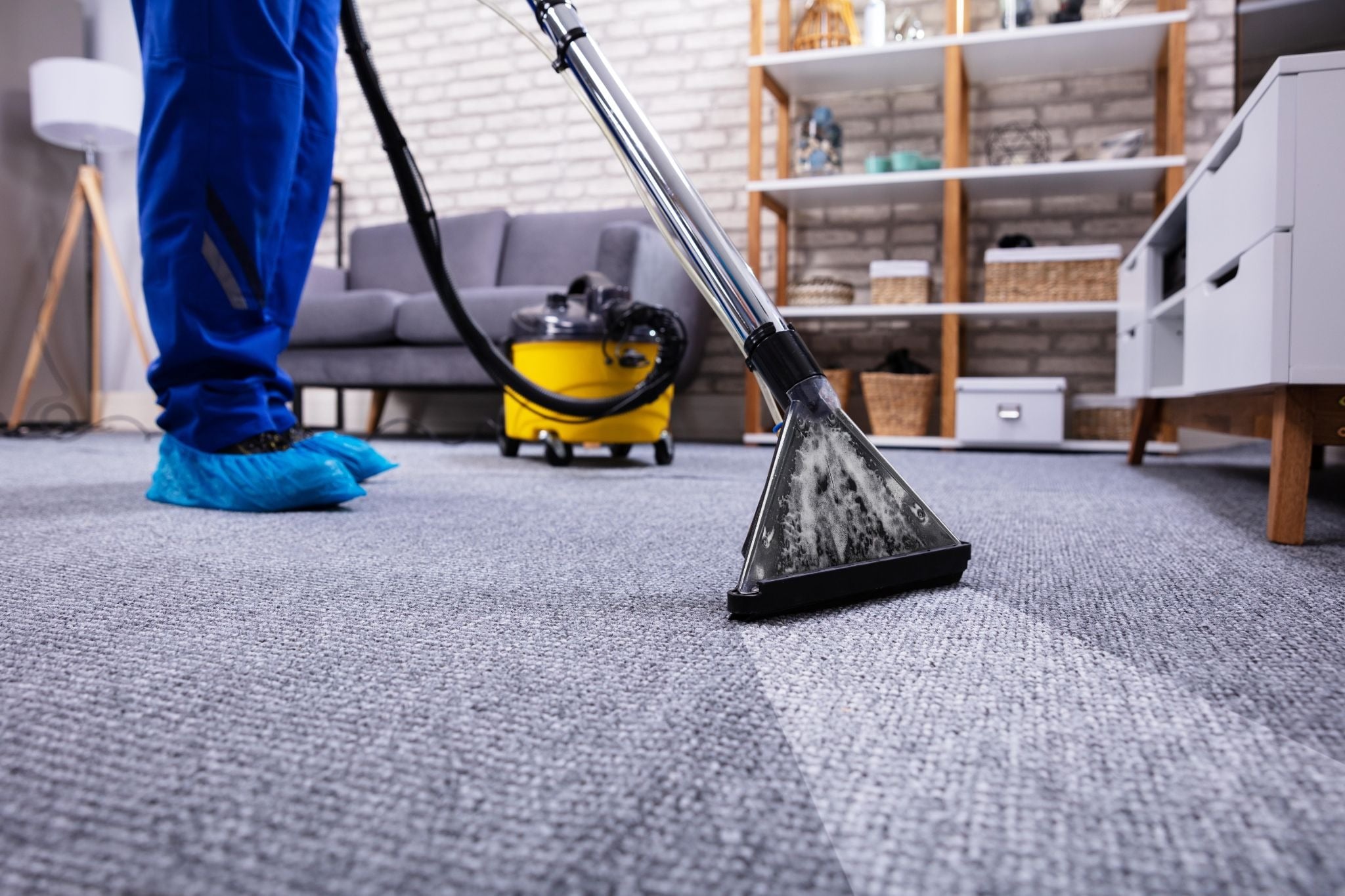
One of the most effective ways to dry carpets quickly starts with how the cleaning is done. Hot water extraction with strong vacuum recovery is commonly used because it removes a large amount of moisture during the cleaning process itself. The machine sprays hot water into the carpet fibres and then immediately sucks it back out, along with dirt and debris.
Because most of the water is extracted straight away, the carpet is already semi-dry after cleaning. This method is widely used in professional carpet care because it reduces drying time significantly compared to traditional scrubbing or soaking methods. The less water left behind in the carpet, the faster the drying process becomes, which helps prevent damp smells and moisture issues.
Unlike methods used for hard outdoor surfaces like house water blasting, carpets require controlled moisture and strong extraction rather than high-pressure cleaning.
Low-Moisture Carpet Cleaning Method
Low moisture cleaning is another professional method designed specifically to reduce drying time. Instead of soaking the carpet with large amounts of water, this method uses controlled moisture and special cleaning compounds. The solution lifts dirt from the fibres without leaving heavy water residue behind.
After cleaning, the carpet is only slightly damp, which means it can often dry within a few hours instead of a full day. This method is commonly used in busy homes or commercial spaces where downtime needs to be minimal. It is also useful in environments where humidity is already high and fast drying is important.
Air Movers And High Velocity Drying Equipment
Air movers are powerful machines designed to push large volumes of air directly across wet carpet surfaces. Unlike regular household fans, they are built specifically for drying flooring and upholstery after cleaning. When positioned correctly, they speed up evaporation by keeping air constantly moving over damp areas.
Professionals often use multiple air movers placed around the room to create a controlled airflow pattern. This reduces drying time dramatically and helps prevent moisture from settling deep into the carpet underlay. It is one of the most reliable methods used in commercial cleaning and restoration work.
Soft wash is also used in exterior cleaning situations to gently remove dirt without damaging surfaces, showing how different cleaning methods are designed for specific materials and drying needs.
Dehumidification Drying Systems
Dehumidification is a method that removes moisture from the air rather than just blowing air over the carpet. A dehumidifier pulls in damp air, extracts the moisture, and releases dry air back into the room. This helps carpets dry faster because the surrounding air is no longer saturated with humidity.
This method is especially useful in enclosed spaces or during wet weather when natural ventilation is limited. It is often combined with air movers to create a controlled drying environment. Together, these systems reduce overall drying time and help protect carpets from mould or lingering dampness.
How Long Does Carpet Take To Dry
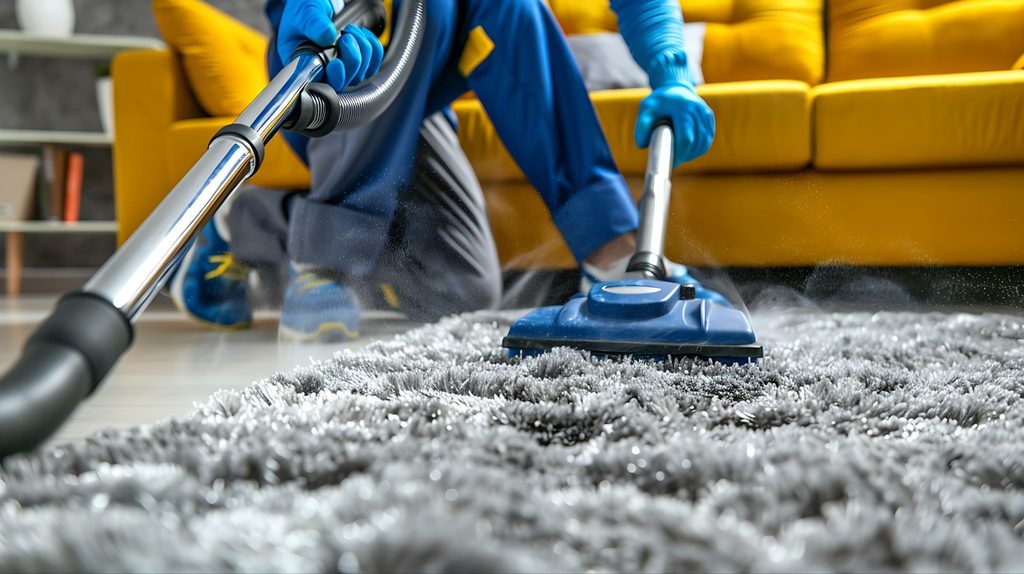
Drying time for carpets is not always the same. It depends on many things, like how the carpet was cleaned, how much water was used, and the conditions inside the room. Here are some factors that affect how long a carpet dries:
Type Of Carpet Material
Different carpet materials absorb and hold water differently. Thick wool carpets or high pile carpets tend to hold more moisture, which means they take longer to dry. Synthetic carpets like nylon or polyester usually dry faster because they do not trap as much water inside the fibres.
The way the carpet is built also matters. Dense and heavy carpets can slow down airflow, which makes it harder for moisture to escape. Lighter carpets allow better air circulation, which helps the drying process move faster. This is why material type is one of the biggest factors affecting drying time.
Amount Of Water Used During Cleaning
The more water used during cleaning, the longer the drying process will take. Traditional steam cleaning or deep wet cleaning methods can leave a lot of moisture inside the carpet fibres and underlay. This extra water needs time to fully evaporate before the carpet feels dry.
House washing is another service where water use needs to be carefully controlled to avoid excess moisture building up in unwanted areas, showing how important proper cleaning methods are for different surfaces.
Professional cleaners often adjust water levels depending on the carpet condition. Using controlled moisture helps reduce drying time and prevents over-saturation. This is why the cleaning method plays a major role in how quickly your carpet dries again.
Room Temperature And Weather Conditions
Room temperature has a big impact on how fast carpets dry. Warm air helps moisture evaporate faster, while cold air slows the process down. During winter or in cooler rooms, carpets usually take longer to dry because the air does not help remove moisture efficiently.
Humidity also affects drying time. If the air is already full of moisture, the carpet will dry slowly because the room cannot absorb more water. This is why ventilation and airflow are important to speed up the process and avoid damp smells.
Air Circulation And Ventilation
Good airflow is one of the most important factors in carpet drying. When air moves across the surface of the carpet, it helps carry moisture away and speeds up evaporation. Rooms with poor ventilation will always take longer for carpets to dry.
Opening windows and using fans can improve airflow significantly. Professional drying equipment is even more effective because it creates consistent air movement across wet areas. Better circulation means faster drying and less risk of mould or odours forming in the carpet.
Common Mistakes To Avoid
Many people slow down the drying process without realising it. Avoiding these mistakes helps prevent damage.
- Walking On Wet Carpet: Walking on wet carpet pushes moisture deeper into the fibres. It can also leave marks and dirt behind. Try to limit foot traffic until the carpet is fully dry.
- Closing All Windows Too Early: Fresh air helps remove moisture. Keeping the room closed slows down drying time. Leave windows open when the weather allows for better airflow.
- Using Too Much Water During Cleaning: Over-wetting the carpet makes drying harder and longer. Always use controlled amounts of water during cleaning. This is especially important in deep cleaning or stain removal.
Conclusion
Carpet drying time depends on many factors, such as the cleaning method, carpet type, and room conditions. In most cases, carpets take between 4 and 24 hours to fully dry, but this can be shorter or longer depending on how much moisture is left behind and how well the space is ventilated.
If you need help with fast and effective carpet care, we are here to support you. Get in touch with us at Total Cleaning, and we will help you choose the right solution for your space. We are ready to help you keep your home clean, fresh, and dry.
Frequently Asked Questions
How Long Should I Wait Before Walking On A Wet Carpet
It is best to wait until the carpet feels dry to the touch before walking on it. Light foot traffic may be okay after a few hours, but full drying usually takes longer, depending on the cleaning method.
Can I Speed Up Carpet Drying At Home
Yes, you can speed it up by improving airflow, opening windows, and using fans. Removing as much water as possible during cleaning also helps reduce drying time.
What Happens If Carpet Stays Wet Too Long
If a carpet stays wet for too long, it can develop bad smells, mould, or mildew. This can also damage the carpet fibres and underlay over time.
Does Heating Help Dry Carpets Faster
Yes, warm air helps moisture evaporate faster. Using heating or air conditioning can reduce drying time, especially in colder weather.
When Should I Call A Professional for a Wet Carpet
You should call a professional if the carpet is still very wet after 24 hours or if there is a risk of mould. Experts use equipment that removes water faster and dries carpets more safely.