







Most businesses tend to stick with a preset cleaning frequency that never changes. Weekly on Fridays. Done and dusted. But that approach ignores everything that actually drives contamination, like headcount, industry type, weather, illness, and foot traffic from the public. So, the answer to how often should an office be cleaned isn’t a fixed number. It’s a changing target.
Why “Clean Once a Week” Is the Wrong Starting Point
The one-size-fits-all cleaning schedule is one of those business assumptions nobody questions until something goes wrong. A solicitor’s office with three staff is not the same hygiene environment as a 40-person sales floor with clients walking through every hour. Treating them identically doesn’t make sense, which means your office cleaning service must be scheduled according to your firm’s needs.
Here are some points to consider:
The Variables That Actually Determine Cleaning Frequency
Foot traffic is the biggest one, like how many people move through your office space daily, and if they include members of the public.
For example, an office located adjacent to a medical centre or a reception that experiences heavy traffic will accumulate contamination a lot faster than a private creative studio. So in this sense, shared spaces versus private offices make a meaningful difference too because shared kitchens, bathrooms, and meeting rooms are simply used by more hands.
Even a 10-person team can generate a surprising volume of contamination per square metre across keyboards, door handles, benchtops, and light switches. Multiply that across a full working week, and the case for daily high-touch cleaning becomes obvious.
What’s the Right Cleaning Schedule
Under-cleaning is the more common mistake. The results are gradual: more staff sick days, hygiene complaints, worn-down first impressions for visiting clients. In some industries, it’s also a compliance issue.
But over-cleaning has real costs too. Unnecessary chemical use accelerates surface wear on carpets and upholstery, and constant disruption to staff isn’t nothing. The goal is calibrated cleaning, matched to actual need, not anxiety or habit. You may also find a one-off cleaning service is more appropriate at times, like after a renovation, for example. It’s cost-effective without the long-term commitment.
And when a situation falls outside the ordinary, a relocation, a fit-out, a construction project finishing, a scheduled clean won’t cut it. That’s when commercial move-in/out cleaning or post-construction cleaning becomes the right call. Different situation, different service tier. That’s the whole point.
How Headcount Changes Everything
Here’s a rough guide to consider. One to ten staff: weekly professional cleaning is usually sufficient with daily self-managed touch-ups. And if it’s in the range of eleven to fifty: two to three professional cleans per week is best. Over fifty, or any office with regular public access: daily professional cleaning is the baseline, not a luxury.
And even within a small office, certain areas need more. A shared kitchen serving ten people needs daily attention. A private bathroom used by two? Weekly is fine.
A Practical Frequency Guide for Every Area of Your Office
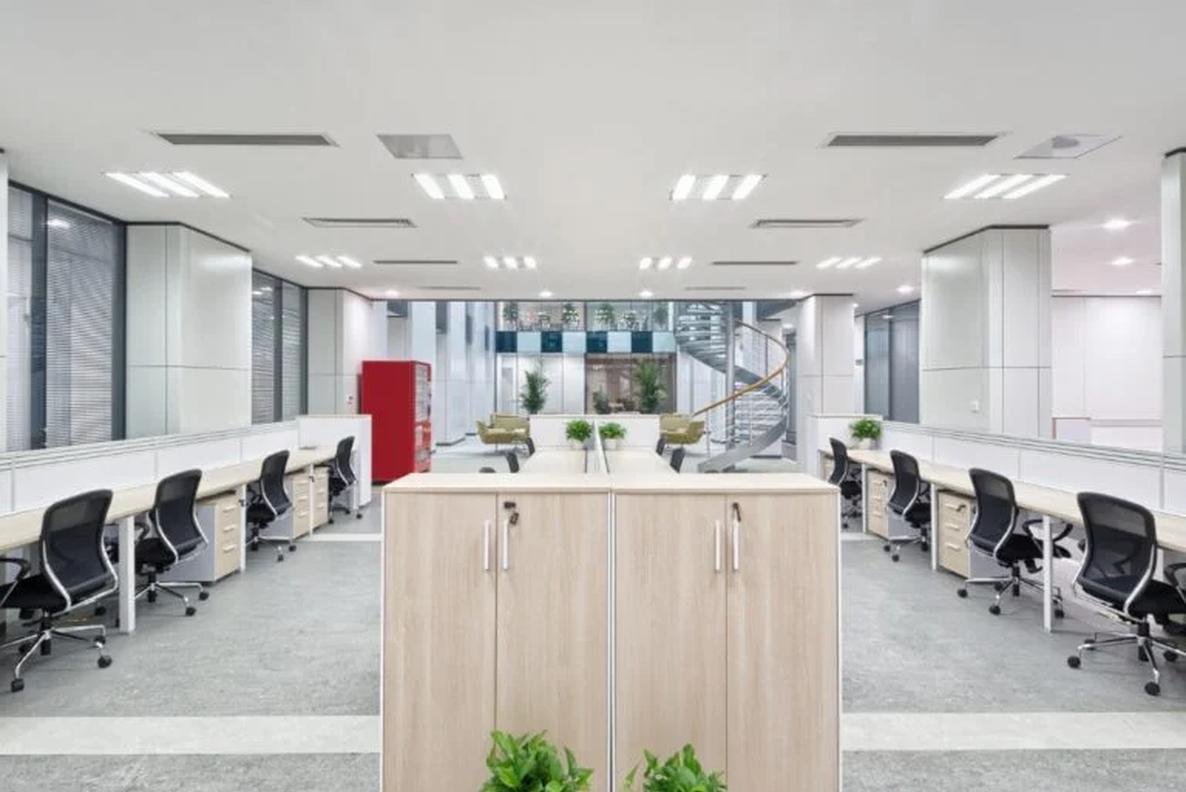
Identify Areas With High Traffic
The reception desks, door handles, lift buttons, shared keyboards, light switches, and bathroom fixtures are the usual suspects. These surfaces are touched dozens or hundreds of times a day and should be wiped down daily. And in healthcare-adjacent or high-traffic settings, twice daily is more appropriate.
How often should you clean your desk?
A personal wipe-down daily is sensible. A full professional clean of workstations should happen at least weekly. Office kitchen cleaning rules follow similar logic: surfaces wiped daily, appliances cleaned weekly, full deep clean monthly without exception.
The Mid-Frequency Areas, Weekly to Fortnightly
Meeting rooms, communal lounges, staff kitchens beyond the daily wipe, and bathrooms beyond surface-level tidying all fall here. Internal glass, skirting boards, full desk cleans, and a clean-up weekly is the right rhythm for most offices.
During winter illness season, or after any confirmed sickness in the workplace, that frequency should increase immediately. Don’t wait for a second wave.
The Low-Frequency but High-Stakes Areas
How often should office carpets be cleaned? For standard office environments, professional extraction every three to six months. For high-footfall reception areas, closer to monthly. Skipping this doesn’t mean the carpet looks the same; it means the deterioration is slower but cumulative, and no amount of vacuuming substitutes for extraction cleaning.
Air vents, ceiling fixtures, behind furniture, upholstered seating, and storage areas are easy to ignore. That’s exactly why they matter. A quarterly deep clean of these areas is the minimum for any professional environment.
For a full overview of specialist commercial services that cover all of these tiers, explore the complete range here; it’s worth understanding what’s available before you assume your current setup covers everything.
When Recurring Cleaning Is Exactly What You Need
For most offices, the backbone of any hygiene system isn’t a one-off clean. It’s a consistent, scheduled programme that runs whether you think about it or not. Here are some guidelines to help you get started.
What a Well-Structured Recurring Schedule Looks Like
Take a 20-person office. Daily tasks: high-touch surface wipes, bathroom checks, kitchen surface clean. Weekly: full workstation clean, meeting rooms, internal glass, vacuuming. Monthly: carpets, appliances, vents, upholstery.
The difference between a professional recurring arrangement and a staff cleaning roster isn’t just effort; it’s accountability and consistency. Same standard, same time, same checklist every visit. Total Cleaning’s recurring cleaning services are built around exactly this kind of reliable, scheduled delivery.
Choosing the Right Recurring Frequency for Your Team Size
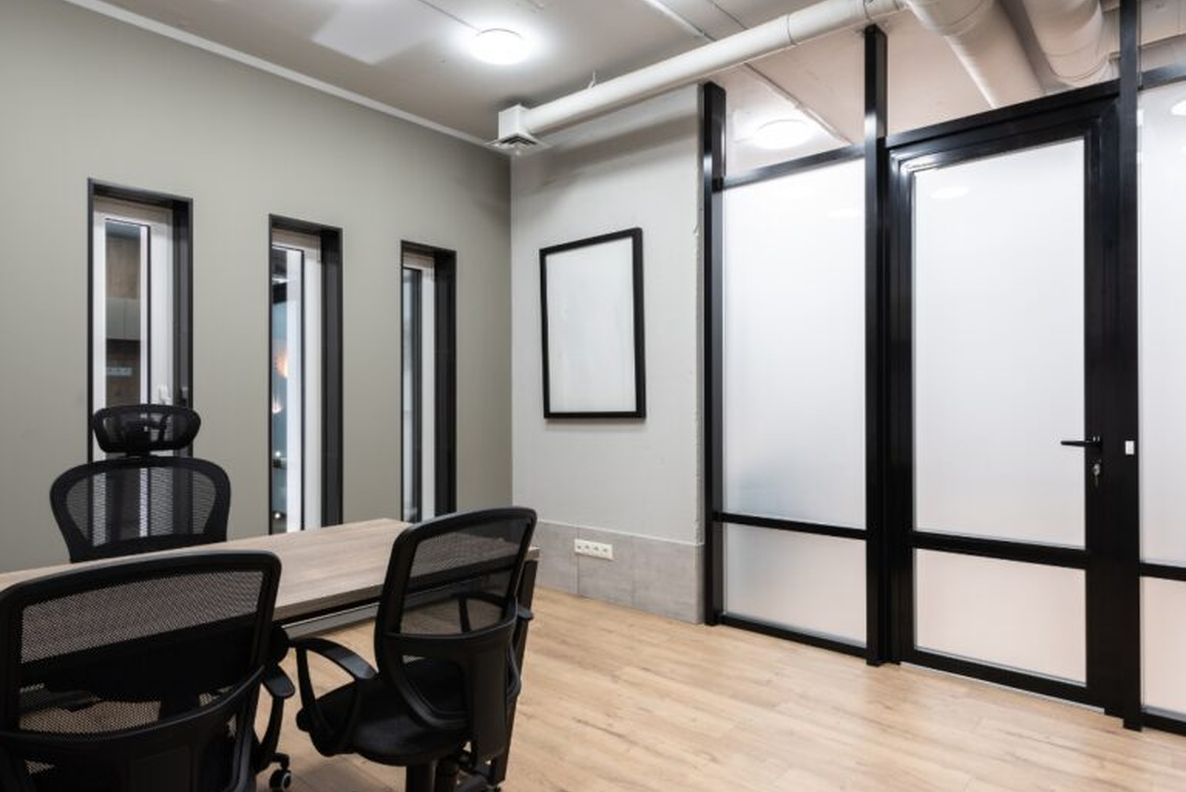
Small office under fifteen people: weekly professional clean. Medium office, fifteen to fifty: two to three times per week. Large or high-traffic office: daily. These aren’t arbitrary tiers; they reflect how contamination actually accumulates relative to usage.
Frequently Asked Questions
How much does office cleaning cost in New Zealand?
It varies more than most people expect. A small weekly office clean might run a few hundred dollars per month, whilst a large commercial space requiring daily cleaning is a completely different budget conversation. The best approach is to get a quote based on your actual square footage, headcount, and required frequency rather than guessing from general pricing guides.
What if my office had a confirmed illness? Do I need a specialist clean?
Yes, and don’t wait on it. A standard recurring clean won’t be sufficient after a confirmed illness outbreak. You’ll want a professional service that covers high-touch surfaces thoroughly and can confirm what was cleaned and how. Recurring cleaning is excellent for prevention, but it’s not designed for remediation. That’s a different scope.
Every three months for carpet cleaning, is that realistic for a busy office?
Quarterly is the minimum for moderate foot traffic. But a busy reception area or an open-plan office with heavy daily use may need it more often. Carpets trap allergens, dust, and bacteria well below the surface level; vacuuming manages appearance, not hygiene. Professional extraction is the only thing that actually resets the carpet’s condition.
Isn’t a weekly clean enough for most offices?
For a very small, low-traffic office, maybe. But most offices convince themselves weekly is sufficient because the space looks presentable and not because it’s actually hygienic. High-touch surfaces like door handles and shared keyboards need daily attention regardless of office size. Weekly cleaning covers a lot, but it shouldn’t be the only layer
Ready to match your cleaning schedule to your actual business needs? Talk to us today for a free assessment.