







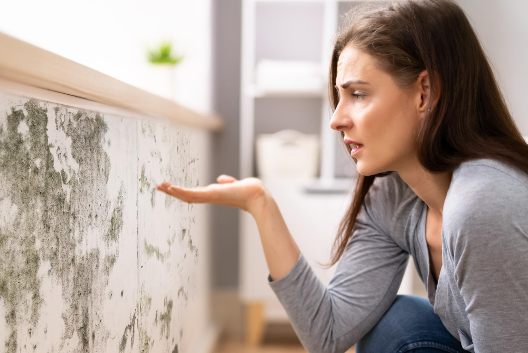
Have you discovered a few black specks on the bathroom ceiling, or a grey smudge behind the wardrobe that you only spotted when you finally moved it to vacuum?
Don’t worry, you’re not the only one shocked by mould build-up.
Mould, more than anything else, is one of the things Auckland homeowners email or call us about, constantly. And there’s a reason it shows up here way more than in most other parts of the country.
So, let’s explore the causes behind mould growth in Auckland, covering how to deal with the patches you can manage yourself, and roughly where the line sits between a weekend job and something worth calling in the professionals for mould treatment.
Why Auckland gets hit harder than most
Humidity’s the obvious culprit, but it’s never really humidity on its own.
Auckland typically experiences more rainfall and humidity than other parts of the country. And since a lot of the city’s older housing was never really built with that in mind, weatherboard villas and bungalows around Mount Eden and Mount Albert deal with outdated insulation systems. In addition to patchy subfloor ventilation, single glazing on most older windows. Add in the very Kiwi habit of drying washing on an indoor rack through winter, and you’ve got something close to a mould incubator within your home.
Auckland and Northland rank the highest for mould issues, with 19 to 20 per cent of households reporting mould issues according to BERL’s reading of the 2018 Census data, which is well above the national average.
BRANZ’s House Condition Survey turned up a similar picture nationwide, where mould was visible in close to half of all homes they checked, with rentals coming off worse than owner-occupied places, almost every time.
What’s causing it
Honestly, mould doesn’t ask for much to thrive: just moisture, something to feed on, and dust on a wall is plenty, plus air that isn’t moving. Sadly, most Auckland homes manage to tick all three boxes without anyone really noticing, not until there’s something visible to catch the eye.
Bathrooms cop the worst of it, and it’s no surprise; living areas and bedrooms aren’t far behind, particularly where insulation is thin or simply missing.
Here are the general causes:
| Cause | Why it shows up so often in Auckland homes |
|---|---|
| Condensation on cold surfaces | Warm, moist air from showers or cooking hits a cold single-glazed window or uninsulated wall and leaves droplets behind, which mould is more than happy to feed on |
| Poor ventilation | Older villas and bungalows often skip extractor fans altogether, or have windows that barely get touched once winter sets in |
| Subfloor dampness | Timber-framed homes with ventilated subfloors trap ground moisture, especially on the clay-heavy sections you get a lot of around Auckland |
| Leaking roofs, gutters or pipes | A slow leak behind a wall can be feeding mould for months before any staining ever makes it to the surface |
| Drying laundry indoors | An indoor rack of wet washing pumps moisture straight into the air with nowhere for it to go |
| Furniture against exterior walls | Blocks airflow right at the coldest part of the room, which happens to be exactly where condensation forms first |
How to Remove Mould From Walls
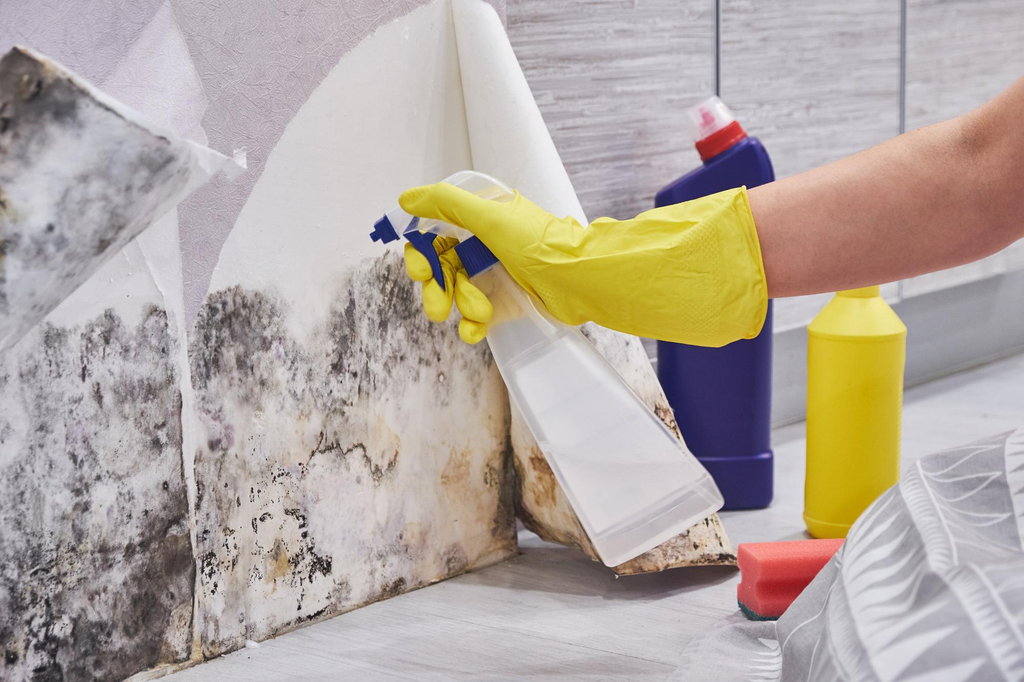
If it’s a small, surface-level patch on a painted wall, tile, or window frame, it’s genuinely something you can tackle yourself, and you don’t need anything special to do it.
First thing, crack open a window or door and get an extractor fan going if there’s one in the room; mould spores get airborne the second you start disturbing them, so more air moving through means less of it ending up in your lungs.
Gloves and a mask might sound like overkill, but long rubber gloves, eye protection, and a P1 or P2 mask are pretty standard advice across the board, and you’re only shelling out a few dollars at any hardware store for the lot.
What you actually clean with depends on the surface.
Hard, non-porous stuff like tiles or glazed walls usually do fine with a mild detergent, or vinegar diluted at four parts vinegar to one part water, which is a decent household option; it’s mildly acidic, and does the mould job, plus you don’t get the eye-watering fumes you’d get from bleach.
Painted plasterboards are a different story. First, test whatever you’re using on a small, out-of-sight patch, because some cleaners will lift the paint right off if you’re not careful with it.
Try to steer clear of bleach if you can help it; it’s tempting – sure, it whitens stains fast, and the surface looks done in five minutes, but mostly it just kills mould where it can be seen, without ever touching the roots growing into whatever’s underneath.
Restoration specialists say the same thing: bleach doesn’t remove mould’s root system, and it can stain certain surfaces while it’s at work, which is probably why a bleached patch so often looks the same again a few weeks down the track.
Whatever you end up using, the step almost everyone skips is actually drying the wall properly afterwards, because a damp wall after cleaning is basically rolling out a welcome mat for whatever mould spores are still hanging around. So, grab a dry cloth or a fan, ideally both if you’ve got them, and don’t put anything back against that wall until it’s properly dry, not just dry to the touch.
To be honest, none of this counts for much if you don’t deal with whatever’s actually causing the damp in the first place. Wiping mould off without fixing the moisture behind it just treats a symptom, and it’ll be back. If condensation’s the real issue, that usually points to a wider ventilation problem in the room, and that’s where our interior home clean tends to earn its keep. We get into the spots that a DIY cleaning session misses, such as behind furniture, inside wardrobes, and those corners nobody really checks.
What Happens if You Leave It?
Mould doesn’t really sit still once it’s got a foothold; it spreads, and the longer it’s left alone, the more it ends up affecting both your home and the people living in it.
In terms of affecting your health, you’re looking at respiratory irritation, worsened asthma, and allergic reactions; kids or anyone with an existing respiratory condition tends to feel it worst. A study in the New Zealand Medical Journal actually found around a third of New Zealanders reported their homes were sometimes or always damp or mouldy, and that kind of housing condition has been tied consistently to worsening health issues nationwide.
On the building side, mould works its way into plasterboard, timber framing, and insulation, none of which is cheap once it’s actually damaged. A faint patch ignored for long enough can mean whole sections of GIB board getting cut out and replaced.
Stopping It Before It Starts
Cleaning mould off is the easy half, but stopping it coming back is the bit most people never quite get around to, even though it’s usually simpler than the cleaning itself.
Here are some tips that help:
- Run your extractor fan during showers and leave it going another ten or fifteen minutes after, rather than switching it off the second you step out.
- On dry days, even in winter, crack a window for an hour or two; a little cross-ventilation honestly does more than people expect.
- Try to avoid drying washing indoors; if you genuinely can’t avoid it, stick to at least keeping the laundry door shut with a window open while it dries.
- Pull furniture a few centimetres off exterior walls so air can actually move behind it.
- Check your gutters and downpipes after Auckland’s heavier autumn and winter rains; a blocked gutter is one of those sneaky causes of damp creeping into walls that nobody thinks to check.
- Wipe condensation off windows and sills each morning through the colder months instead of just letting it sit there.
There’s a legal side to this too if you’re renting; under the Healthy Homes Standards, rental homes need windows that open in living rooms, dining rooms, kitchens, and bedrooms, plus the addition of extractor fans in kitchens and bathrooms. Bottom line, a poorly ventilated rental may not even be meeting its legal obligations.
If your place keeps growing mould on cladding, the roof, or the fences outside, a regular soft wash treatment stops growth before it gets the chance to spread inward toward windows and walls.
When is it Time to Call Someone?
Some types of mould genuinely require a five-minute job with a spray bottle. Other times it’s a sign something bigger’s going on behind the wall, and that’s roughly where DIY methods hit their limit.
Consider bringing in a professional if you’re dealing with any of these:
- The patch is bigger than roughly a square metre
- It keeps coming back on the same spot, even weeks after you’ve cleaned it
- There’s a musty smell, but you genuinely can’t locate where it’s coming from
- Mould spreads into a ceiling, a carpet, or behind wallpaper
- Someone in the house has asthma, allergies, or a weakened immune system
- You suspect it’s tied to a hidden leak rather than just condensation
A musty smell with nothing visible is one of the main tells; it usually means something’s happening inside a wall cavity or under the floor that a surface wipe-down never touched. Finding the actual source beats cleaning the same symptom over and over.
If mould has spread further than it feels manageable, or it just keeps coming back no matter what you try, our recurring home cleaning service is genuinely worth a look. Paying regular attention to high-risk rooms like bathrooms and laundries tends to catch growth early, well before it turns into a much bigger job. Our water blasting service is ideal for mould creeping in around window frames or cladding from outside; it clears the buildup, which is often what’s feeding moisture back toward your interior walls in the first place.
Final Thoughts
Mould in an Auckland home really isn’t a sign you’ve done something wrong; most of the time it’s just the climate and the age of the house influencing its growth.
Small surface patches are something you can genuinely sort yourself, as long as you’re patient about that drying step everyone always wants to rush through. Once it keeps coming back, spreads past a small area, or you can smell it without finding it, that’s usually the point where bringing someone in actually saves you time, not just the wall itself.
If you’re stuck with mould that won’t quit, like a musty smell you can’t trace, or you want affected rooms sorted out before things get any worse, get in touch with the team at Total Cleaning. Because we’ve experienced a fair bit of mould issues in the older villas around Mount Eden, Sandringham, and Mount Albert, we know what to look for.
We’ll come have a proper look and work out a plan that actually deals with what’s causing your mould build-up, not just what you can see on the surface.
Frequently Asked Questions
How do I remove mould from walls myself?
For small, surface-level mould on painted walls or tiles, ventilate the room first, get your gloves and mask on, then clean the area with a mild detergent or a vinegar solution diluted at four parts vinegar to one part water. Scrub it gently, wipe it clean, and make sure you dry the surface completely afterwards; that’s the part that actually stops it from coming back.
The drying step matters more than most people realise. Leave a wall damp after cleaning, and whatever spores are left have exactly the moisture they need to start growing again within days.
Why does my Auckland home get mould every winter?
Auckland’s high humidity combined with older, poorly insulated housing is really the main reason. Condensation forms on cold single-glazed windows and uninsulated walls during winter, and without decent ventilation that moisture’s got nowhere to go, which is an ideal setup for mould.
And because Auckland and Northland have the highest proportion of mould-affected households in New Zealand, according to data, it’s not really bad luck; it’s a regional pattern tied straight back to climate and housing age.
Is bleach or vinegar better for removing mould from walls?
Vinegar is the better pick for walls. It’s mildly acidic and can actually get into porous surfaces to deal with mould properly, whereas bleach mostly just kills it on the surface without ever reaching the roots. Bleach can also stain certain surfaces and gives off pretty strong fumes that need decent ventilation if you’re going to use it safely.
On non-porous surfaces like glazed tiles, either can work, but vinegar tends to be the safer default for painted plasterboard and timber.
How do I know if mould in my house is dangerous to my health?
Mould exposure can genuinely trigger respiratory irritation, worsen asthma symptoms, and cause allergic reactions, particularly for children, older people, or anyone with an existing respiratory condition. And the risks increase the longer it’s left untreated, allowing the affected area to get worse.
Research into housing and health in New Zealand has pretty consistently linked damp, mouldy homes to worse health outcomes, which is honestly part of why dealing with it properly matters more than just painting over the stain.
When should I stop trying to clean mould myself and call a professional?
Call a professional once the affected area’s bigger than roughly a square metre, the mould keeps coming back no matter how often you clean it, or it’s spread into a ceiling, into carpet, or behind wallpaper where a surface wipe-down genuinely can’t reach. A persistent musty smell with no visible source is another pretty strong sign it’s time to get someone in.
These situations usually mean the mould’s either worked its way past what surface cleaning can fix, or it’s being fed by a hidden moisture source like a leak that needs to be tracked down.
Do landlords have to fix mould in rental properties in Auckland?
Yes, in most cases, they genuinely do. Under New Zealand’s Healthy Homes Standards, rental properties need extractor fans in kitchens and bathrooms, plus openable windows in living rooms, dining rooms, kitchens, and bedrooms, all aimed at stopping the conditions that actually lead to mould in the first place.
Landlords who don’t meet these obligations are technically in breach of the Residential Tenancies Act 1986 and can face financial penalties, so if a rental’s ventilation is clearly falling short, it’s worth raising directly with the landlord or property manager.